


 By
By 
By Thokozani Mazibuko
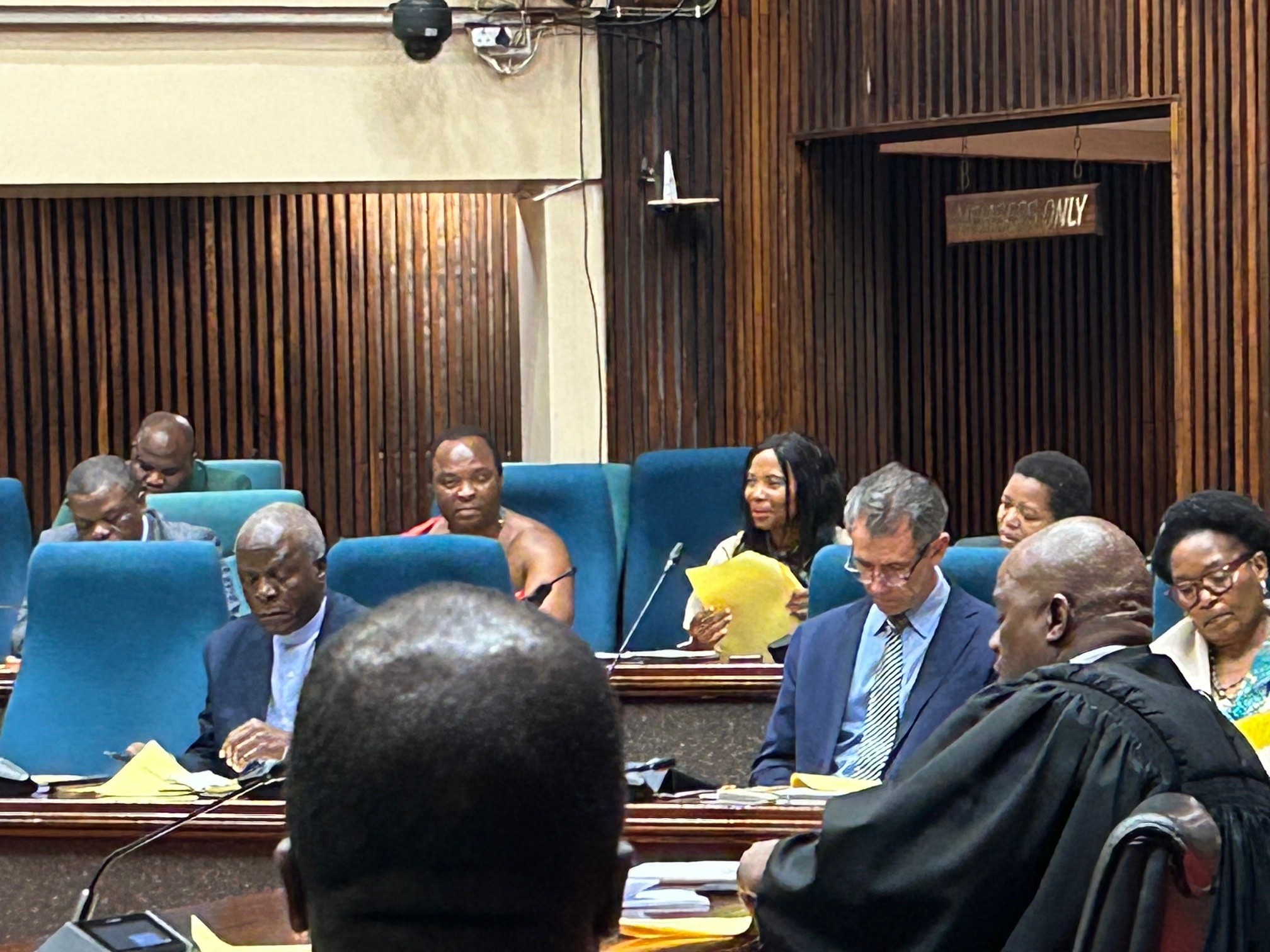
Members of Parliament (MPs) have approved the Alcohol and Tobacco Levy Amendment Bill, Bill No 4 of 2025, with a reduced tax increase aimed at balancing revenue needs and the economic realities faced by businesses.
The decision comes after vigorous discussions and consultations, reflecting the government’s commitment to consider the interests of various stakeholders.
Finance Committee Chairperson MP Marwick Khumalo announced that the government initially proposed a 4.5% increase in taxes on alcohol and tobacco products. However, following extensive engagements with stakeholders in the industry, the committee opted for a more manageable 2% increase.
“We engaged the stakeholders, and they pointed out that if we continue with the increase of 4.5%, they will be forced to retrench or even close down their businesses,” MP Khumalo explained during the session.
RELATED: Alcohol, Tobacco levy increase to boost domestic revenue
his decision highlights the government’s responsiveness to the concerns of businesses that play a crucial role in the nation’s economy.
The Bill was successfully adopted under the leadership of Speaker Jabulani Buy Cash Mabuza, demonstrating a united front among MPs regarding the importance of responsible fiscal policy. Minister of Finance Neal Rijkenberg expressed gratitude for the hard work of the Finance Committee and the Office of the Attorney General (AG), recognizing their contributions in shaping the amendment.
“This decision is a testament to the collaborative efforts of all stakeholders involved. We are taking a measured approach to ensure government revenue while considering the impact on local businesses and the economy,” said Minister Rijkenberg.
As the session progressed, it was evident that the MPs understood the critical role of stakeholder engagement in crafting financial legislation. The Finance Committee’s approach to consulting stakeholders was lauded by several MPs, emphasizing the necessity of incorporating the views of those directly affected by tax policies.
Calls were made for ongoing dialogue with industry representatives to ensure future tax proposals do not unduly burden businesses, particularly those already struggling in the current economic climate.
The approval of the Alcohol and Tobacco Levy Amendment Bill signals the government’s commitment to responsible fiscal management while maintaining a keen awareness of the economic challenges facing the country.
RELATED: Women and Drunk Driving: A Rare offence or underreported crime?
As Eswatini navigates its financial future, the balancing act between revenue generation and nurturing a business-friendly environment will remain a priority for lawmakers.
It should be noted that as the implementation of this new tax structure begins, both the government and business sectors must remain in communication to monitor the impacts and adapt strategies accordingly.
It is worth mentioning that this collaborative approach is key to fostering a resilient and thriving economy in Eswatini.


