



 By
By 
With Siphesihle Dlamini
The recent recommendation by the House of Assembly Portfolio Committee to reduce the proposed Alcohol and Tobacco Levy from 4.5 per cent to a mere 2 per cent has sparked a heated debate in Eswatini.
This proposal, while seemingly aimed at protecting local breweries from potential job losses and business closures, raises critical questions about the balance between economic interests and public health.
It is essential to analyse the implications of such a decision, not just for the alcohol industry, but for the health and welfare of the nation.
The Alcohol and Tobacco Levy (Amendment) Bill was tabled with a certificate of urgency in the House on February 14, 2025. The first and second reading of the Bill was done on the same day, and it was subsequently referred to the Finance Committee for further scrutiny.
RELATED: Alcohol, Tobacco levy increase to boost domestic revenue
To capacitate the Committee on the general provisions of the Bill, the Ministry of Finance organised a workshop, which was held on February 24, 2025, at the Hilton Garden Inn Hotel.
The Alcohol and Tobacco Levy was enacted in 2019 to rectify revenue losses that arose due to the uniform application of Value Added Tax (VAT) on goods, which replaced the higher tax rates previously applied to alcohol and tobacco under the Sales Tax Act.
The Levy was intended to gradually restore differential taxation on alcohol and tobacco products in line with international best practices and public health policy while allowing firms time to adjust.
There is a need to expand the scope of the Levy to include emerging nicotine and tobacco products not previously captured under existing legislation. In addition, the Kingdom of Eswatini, as a signatory to the Framework Convention on Tobacco Control is committed to regularly reviewing and enhancing tobacco taxation as part of its health and revenue mobilisation strategies.
The Government, through consultations with relevant Ministries and stakeholders, has determined that the rates applicable under the current legislation should be adjusted to promote public health and align with international obligations.
Therefore, Parliament is requested to approve that the Alcohol and Tobacco Levy (Amendment) Bil, 2025, be introduced to amend the existing law to reflect the new rates, expand the tax base, and strengthen compliance with both domestic and international regulatory frameworks.
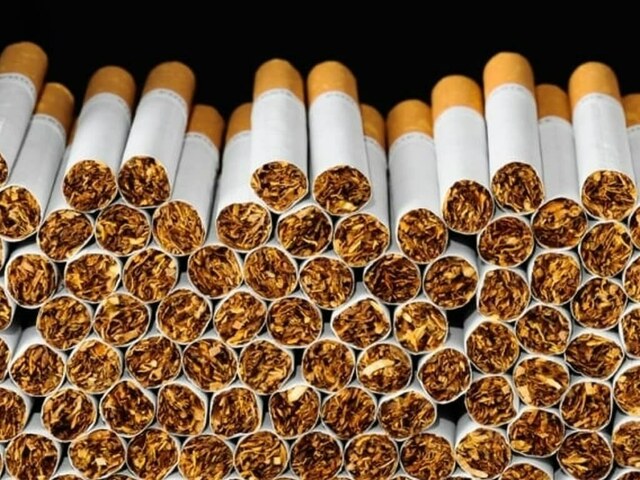
At the heart of the debate lies the argument presented by Eswatini Breweries Limited (EBL), which warns that a higher levy could lead to significant downsizing and retrenchments. Drawing parallels with Lesotho’s experience, where a 15 per cent levy resulted in severe job losses, EBL’s concerns are not unfounded.
The fear of economic repercussions is palpable, particularly in a country where the unemployment rate is already alarmingly high.
According to the report of the Finance Committee on Alcohol & Tobacco Levy, in 2023, Lesotho amended its tax policy by introducing a 15 per cent levy on alcohol and a 30 per cent levy on tobacco, applied uniformly to both locally produced and imported products.
As a result, beverage companies faced a compounded tax burden-paying 15 per cent VAT in addition to the 15 per cent alcohol levy significantly increasing their overall costs. The resulting financial strain, as highlighted by EBL, is therefore understandable and justified.
However, Eswatini’s proposed levy is markedly lower. At only 4.5 per cent, it is significantly below Lesotho’s 15 per cent, and thus unlikely to produce similar economic repercussions.
Historically, Eswatini had a sales tax of 20 per cent on locally produced alcohol and 25 per cent on imported products. The introduction of VAT in 2012 reduced these rates to 14 per cent, effectively providing a tax relief of 6 per cent for local products and 11 per cent for imported ones. Since then, companies have been the primary beneficiaries of this reduction.
Efforts to introduce a corrective levy to address this imbalance have faced resistance since 2012. It wasn’t until 2019 that the government implemented modest levies of 2 per cent on local products and 7 per cent on imports.
RELATED: Women and Drunk Driving: A Rare offence or underreported crime?
These rates remain insufficient to offset the government’s rising healthcare costs, largely driven by alcohol-related harm. The current proposal seeks to raise these rates to 18.5 per cent for locals and 24 per cent for imported products, which are still below the former sales tax rates of 20 per cent and 25 per cent, respectively.
Companies managed to operate under the previous sales tax regime and should be able to do so under the proposed structure. Furthermore, the proposed increases 2.5 and 3 percentage points are modest and even lower than the average inflation rate since the initial levy was introduced.
Businesses have several options for managing these changes. They can pass the full cost on to consumers, absorb it within their operating costs, or distribute the burden between the business and consumers.
Given that alcohol is a price-inelastic good, any price increase is unlikely to result in a significant drop in demand. Therefore, threats of retrenchments, supposedly mirroring Lesotho’s experience, are not directly attributable to the revised tax rates in Eswatini.
They are more likely driven by external, unrelated factors.
However, this economic argument must be critically examined. The assertion that reducing the levy will protect jobs overlooks the broader context of public health and the financial strain that alcohol-related illnesses impose on the healthcare system.
According to a 2021 study by the World Health Organization (WHO), the government spends approximately E600 million annually on healthcare costs related to non-communicable diseases (NCDs), many of which are directly linked to alcohol consumption.
This figure starkly contrasts with the revenue generated from alcohol taxes, which fails to cover even half of this healthcare expenditure.
The proposed reduction of the Alcohol and Tobacco Levy raises pressing public health concerns. The government has a responsibility to protect its citizens from the harmful effects of alcohol consumption, which has been linked to a myriad of health issues, including liver disease, mental health disorders, and increased rates of accidents and injuries.
The argument that a lower levy will lead to increased consumption and, consequently, higher healthcare costs cannot be dismissed lightly.
Moreover, the potential for increased smuggling and illicit trade, as highlighted by EBL, poses additional challenges.
A lower levy may create incentives for illegal operations, undermining the very objectives of the levy itself. The Ministry of Finance’s assertion that increased taxation on alcohol leads to reduced consumption is supported by evidence from various countries, where higher taxes have successfully curbed alcohol-related harm.

By reducing the levy, Eswatini risks reversing any progress made in promoting public health and reducing the burden on the healthcare system.
The discourse surrounding the Alcohol and Tobacco Levy must involve all stakeholders, including government entities, industry representatives, public health advocates, and civil society organizations.
EBL’s recommendation to impose the levy only on imports or maintain current rates for locally produced alcohol reflects a desire for collaboration rather than confrontation. However, this call for collaboration must be met with a willingness from the government to engage in meaningful dialogue.
The consultative process initiated by the Ministry of Finance is a step in the right direction, but it must be deepened. Stakeholders should engage in discussions that explore innovative solutions to the challenges posed by alcohol consumption.
This could include strategies to combat smuggling, enhance compliance, and promote responsible drinking habits among consumers. By fostering a collaborative environment, the government can develop policies that are not only economically viable but also socially responsible.
Eswatini grapples with the complexities of alcohol regulation, and it is essential to draw lessons from global practices. Countries that have successfully implemented higher alcohol taxes have often seen significant public health benefits.
For instance, in countries like Sweden and Australia, increased taxation has been linked to reduced alcohol consumption and improved health outcomes. These examples illustrate that a well-structured levy can serve as a powerful tool for promoting public health while still allowing businesses to thrive.
Furthermore, the notion that the alcohol industry is a major contributor to tax revenue must be critically assessed. While it is true that the industry generates revenue, it is not among the largest contributors when compared to other sectors.
The government must prioritize public health over short-term financial gains, recognizing that the long-term costs of alcohol-related harm far outweigh any immediate economic benefits.
In conclusion, the recommendation to reduce the Alcohol and Tobacco Levy from 4.5 per cent to 2 per cent presents a complex dilemma that requires careful consideration of both economic and public health implications.
While the concerns raised by EBL and other stakeholders are valid, they must be weighed against the pressing need to protect the health and well-being of the population.
The government has a responsibility to ensure that its policies promote public health while also supporting economic stability. By adopting a balanced approach that considers the interests of all stakeholders, Eswatini can navigate the challenges posed by alcohol consumption and create a healthier future for its citizens.


