


 By
By PULSE OF THE WEEK
…With Siphesihle Dlami
In the intricate web of economic policymaking, the delicate balance between revenue generation and job preservation often presents a formidable challenge for governments worldwide.
This is particularly true in the case of Eswatini, where recent discussions surrounding the proposed increase of the Alcohol Levy have ignited a fervent debate about the implications for both the national fiscus and the livelihoods of its citizens.
The Senate Finance Portfolio Committee’s endorsement of a reduction in the proposed levy increase from 4.5 per cent to a more palatable 2 per cent may serve as a pivotal moment in the ongoing discourse regarding fiscal policy, economic sustainability, and social responsibility.
At the heart of this debate lies Eswatini Beverages, a significant player in the local economy that employs 175 emaSwati and has contributed a staggering E1.7 billion in taxes to the national treasury between 2018 and 2024.
The company’s projections indicated that an increase in the Alcohol Levy to 4.5 per cent could result in a loss of E18 million in revenue over the next three years, a figure that underscores the potential economic ramifications of such a policy shift.
The stark reality is that while the government seeks to bolster its coffers through increased taxation, it must also grapple with the potential fallout of job losses that could ensue from such measures.
Minister of Finance Neal Rijkenberg’s acknowledgement of the unfairness of gambling with people’s jobs resonates deeply within Eswatini’s socio-economic landscape. “If you gamble with people’s jobs, it does not feel fair. So, I think the House of Assembly said let us not put it on.
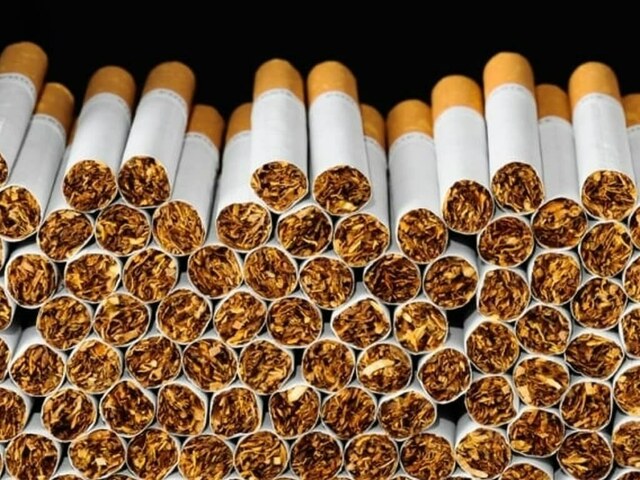
RELATED: Alcohol, tobacco products going up by 2 %
Therefore, we are staying with the original two per cent two per cent on Alcohol and Tobacco Levy. One does not want to gamble with a few hundred people’s jobs. It is rather to maybe not gamble with it and see how it goes,” said Rijkenberg.
The sentiment expressed by Rijkenberg reflects a broader understanding that fiscal policies must be crafted with a keen awareness of their human impact.
The decision to maintain the Alcohol Levy at 2 per cent rather than risk the livelihoods of hundreds of workers is a testament to the government’s recognition of the importance of job security in fostering a stable and prosperous society.
However, the conversation does not end with the reduction of the levy. Senator Tony Sibandze’s concerns regarding the adequacy of consultation with Eswatini Beverages during the legislative process highlight a critical aspect of governance:
the need for inclusive dialogue between the government and industry stakeholders. The assertion that the engagement may not have been as thorough as desired raises questions about the effectiveness of the consultation process and the extent to which the voices of those directly affected by policy changes are heard.
The finance minister reacted that, “I understand that the engagement was done but maybe it was not as deep as what they would have liked.”
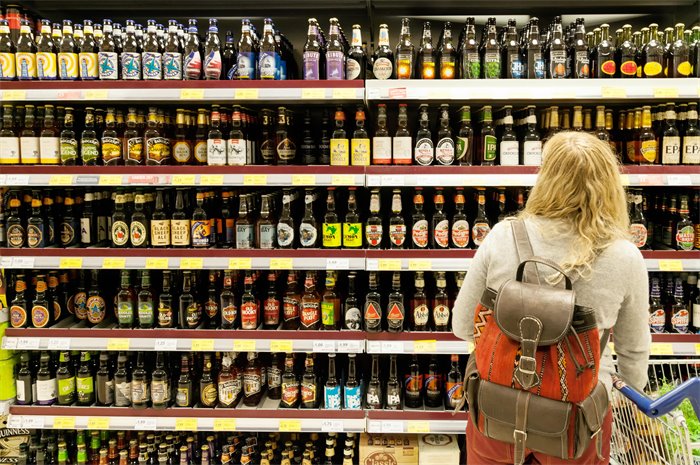
Moreover, the implications of the levy extend beyond mere fiscal considerations. The endorsement of a 2 per cent levy on locally manufactured alcoholic beverages, coupled with a 3 per cent tax on imported alcohol, reflects an attempt to strike a balance between supporting local industry and generating revenue.
However, the potential for increased smuggling and illicit trade looms large, as highlighted by Eswatini Beverages’ concerns. The spectre of illicit alcohol consumption poses not only a threat to the formal economy but also raises pressing public health concerns that cannot be overlooked.
It becomes increasingly clear that the government must also consider the social ramifications of its fiscal policies. Senator Gelane Dlamini’s call for the implementation of rehabilitation measures for alcohol consumers underscores the need for a holistic approach to addressing the challenges posed by alcohol consumption.
The suggestion that funds collected from the levy be directed towards rehabilitation programs, such as the ‘Don’t Drink and Drive’ campaign, reflects a growing recognition of the interconnectedness of economic policy and social welfare.
RELATED: Govt to lose E18m from Alcohol levy increase, 175 jobs at risk
In drawing parallels with the experience of Lesotho, where a 15 per cent levy led to significant job losses and downsizing within the beverage industry, Eswatini Beverages presents a cautionary tale that should not be ignored.
The potential for adverse outcomes resulting from poorly calibrated tax policies serves as a reminder of the importance of evidence-based decision-making in the realm of fiscal policy
. The recommendation to impose the levy solely on imports, or at the very least, to maintain existing rates on locally manufactured goods, speaks to the need for a nuanced approach that considers the unique dynamics of the Eswatini market.
Ultimately, the path forward for the government of Eswatini must be characterized by collaboration, consultation, and a commitment to the principles of social equity and economic sustainability.
The endorsement of a reduced Alcohol Levy is a step in the right direction, but the government must continue to engage with industry stakeholders to ensure that policies are crafted with a comprehensive understanding of their potential impact.


