


 By
By 
By Siphesihle Dlamini
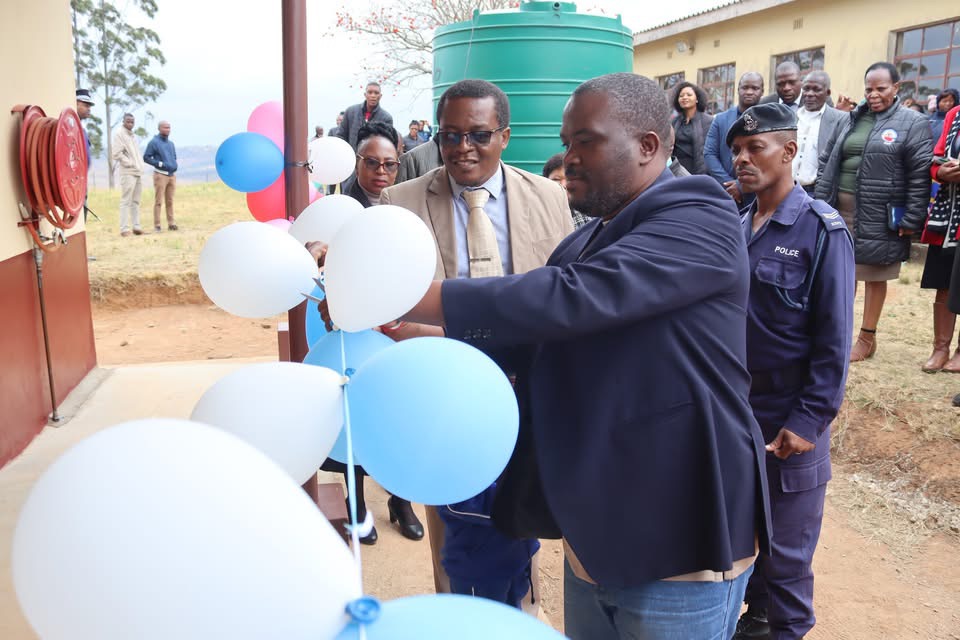
Minister of Tinkhundla Administration and Development S’khumbuzo Dlamini officially handed over three newly constructed educational facilities amounting to E2.7 million, funded through the Government’s Regional Development Fund (RDF).
The facilities include an agricultural laboratory for St. Juliana Primary School, a semi-detached staff house at Ngozi High School, and a block of three new classrooms for Hluthi High School.
This initiative reflects the government’s ongoing commitment to enhancing educational infrastructure and supporting both students and educators in the region.
The handover ceremony, attended by local officials, educators, and community members, emphasised the importance of these new facilities in fostering a conducive learning environment.
Minister S’khumbuzo highlighted the significance of each project, starting with the semi-detached staff house at Ngozi High School. He noted, “The completion of the staff house at Ngozi High School is a testament to our commitment to supporting our dedicated educators.
Providing suitable accommodation directly enhances their well-being and allows them to focus more effectively on their crucial role of nurturing young minds.”
This sentiment highlights the understanding that teacher welfare is essential to the overall quality of education. By ensuring that educators have comfortable living arrangements, the government aims to improve retention rates and boost morale among teaching staff, ultimately benefiting the students they serve.
The addition of three new classrooms at Hluthi Central High School marks another pivotal advancement for the region’s educational landscape. Minister Dlamini remarked, “An addition of three new classrooms at Hluthi Central High School is a monumental step forward for our learners.
Education remains the bedrock of our nation’s progress and a powerful tool in our poverty alleviation strategies.”
The minister emphasised that these modern facilities would create a more conducive learning environment, fostering greater intellectual capacity among students.
He acknowledged the vital role of community participation, stating, “We commend the active participation of parents and the community, whose generous contributions of manual labour and locally sourced materials were instrumental in bringing these educational projects to fruition.”
This collaborative effort not only strengthens community ties but also instils a sense of ownership and pride in local educational initiatives.
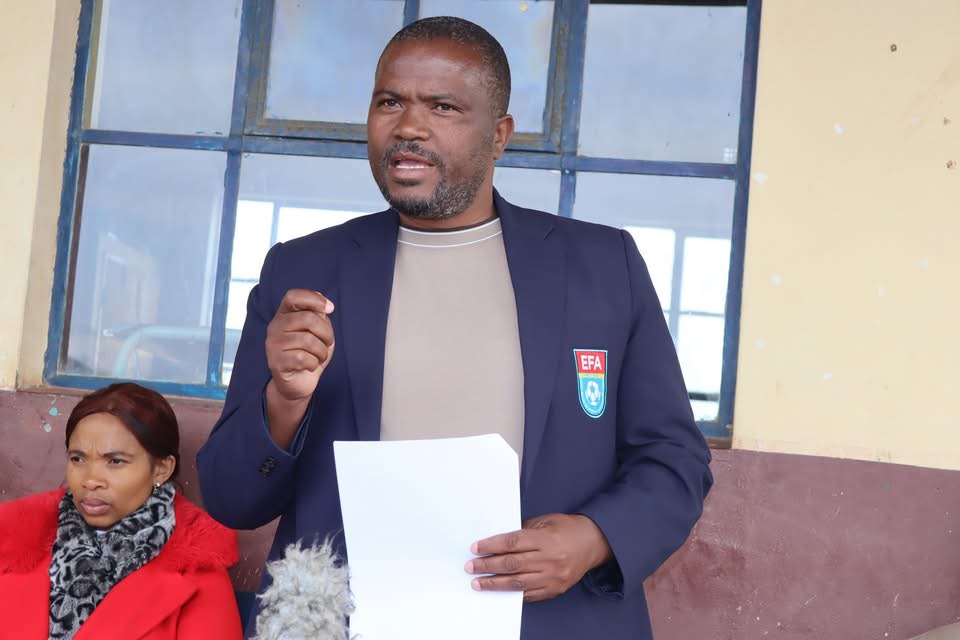
Perhaps the most innovative of the projects is the establishment of a state-of-the-art agricultural laboratory at St. Juliana Primary School.
The Minister described this facility as a forward-thinking commitment to practical education, stating, “In a country where agriculture remains a cornerstone of our economy and livelihoods, providing our young learners with hands-on experience and theoretical knowledge in this field from an early age is crucial.”
The agricultural lab is designed to serve as a dynamic learning environment, allowing students to explore modern farming techniques, understand soil science, learn about crop cultivation, and appreciate sustainable agricultural practices.
By equipping students with practical skills relevant to national development and food security, the government aims to inspire the next generation of farmers, agronomists, and innovators.
The Tinkhundla Administration and Development Minister emphasised the importance of community involvement in the success of these projects. He expressed gratitude to the parents, community members, and school administration for their diligent efforts in supporting the completion of the facilities.
“Your dedication and contributions, whether through manual labour or the provision of local resources, have been instrumental,” he stated.
This recognition of community engagement highlights the government’s approach to responsive governance, ensuring that local needs and requirements are met through collaborative efforts.
The successful implementation of these RDF projects serves as a model for future initiatives, demonstrating the potential for community-driven development in education.
The official handover of these educational facilities stands as tangible evidence of His Majesty’s Government’s unwavering commitment to addressing the needs of its populace.
The efficient completion of these initiatives reflects an improved turnaround in RDF project implementation, demonstrating the government’s commitment to responsive governance and direct engagement with local needs.


