


 By
By 
By Siphesihle Dlamini
Prime Minister Russell Dlamini has recently underscored the transformative potential of Eswatini’s youth, emphasising their critical role in shaping the nation’s future during the International Youth Day celebrations held in Gege.
The event, which took place under the theme “Localising the SDGs: Eswatini Youth Actions For The SDGs and Beyond,” served as a significant platform for dialogue and action regarding the involvement of young people in national development.
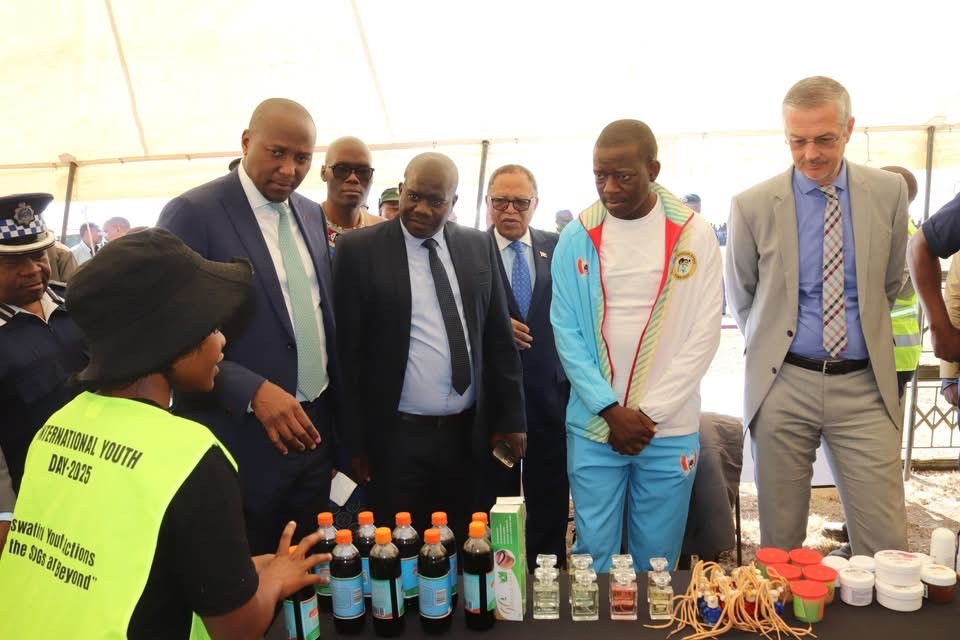
From sizzling business pitches to soulful gospel notes, Gege Inkhundla came alive on Thursday as Prime Minister Russell Dlamini joined the youth in celebrating International Youth Day.
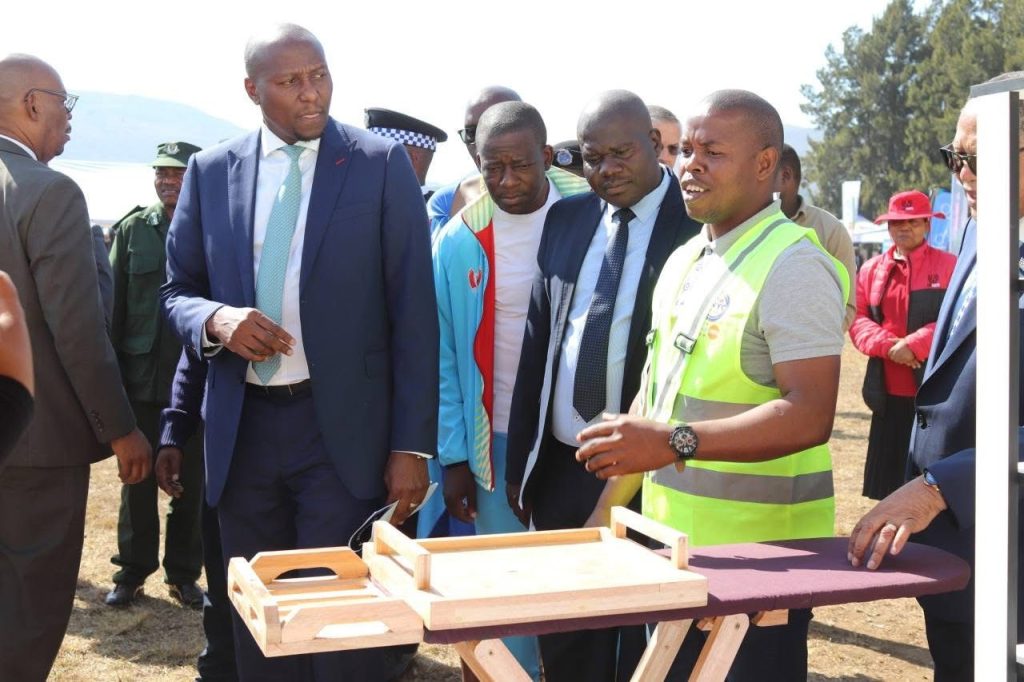
Young entrepreneurs filled the venue with stalls showcasing their products and services, and the PM stopped by every one of them, asking questions, listening to their stories, and cheering them on.
Local young artist ThaifoSon had the crowd dancing to his hit song ‘Badede’, while Sphiwo Ndoni’s iconic voice took everyone straight to church. The Minister of Sports, Culture and Youth Affairs was also in the mix amongst others.
The Prime Minister articulated that this gathering was not merely a celebration but a vital opportunity to translate the nation’s vision into concrete actions that empower the youth.
With approximately 37.4 per cent of Eswatini’s population being young people, Dlamini highlighted their centrality in driving national development and achieving the 17 Sustainable Development Goals (SDGs) set forth by the United Nations.
In his address, the PM reiterated the government’s commitment to aligning all youth-focused programs with the SDGs, the National Development Plan, the Nkwe Programme of Action, and the Grand Plan for National Transformation.
This alignment aims to create measurable impacts across various sectors, including education, skills development, employment, health, and climate action.
Dlamini stated, “As the Government of Eswatini, we seek to align every major youth investment and programme with the 2030 Agenda for Sustainable Development (the SDGs) so that youth-targeted interventions deliver measurable contributions to the SDGs – from quality education and decent work to health, gender equality, and climate action.”
This statement reflects a holistic approach to youth development, recognising the interconnectedness of various developmental goals.
The Prime Minister further emphasised the importance of mainstreaming the priorities outlined in the Eswatini National Development Plan (2023–2028) into youth programming. He noted that national plans and budgets must reflect the scale and urgency of issues surrounding youth employment, skills development, and social protection.
Dlamini’s focus on integrating youth priorities into national policy signifies a shift towards a more inclusive governance model, where the voices of young people are not only heard but actively shape the policies that affect their lives.
He remarked, “In line with Eswatini’s mission to promote dialogue through forums such as Sibaya, we will continue to ensure youth are not only consulted but share power in planning and oversight: young people will have seats in relevant policy and budgetary fora so that programmes reflect what youth themselves say will work.”
A significant aspect of Dlamini’s address was the government’s recognition of its responsibility to invest in the capabilities of the youth. This investment encompasses education, skills training, and health initiatives, crucial for fostering a generation capable of contributing meaningfully to the nation’s development.
The premier articulated a vision for creating opportunities for young people, stating, “As a Government, we accept a clear responsibility: to invest in youth capability (education, skills, and health) and create opportunities (jobs, start-ups, land for agribusiness, and access to finance).” This commitment reflects an understanding that empowering youth is essential for sustainable economic growth and social stability.
Dlamini also highlighted the importance of aligning national investments with Agenda 2063, which aims to support continental goals for inclusive growth and innovation. By doing so, Eswatini not only addresses its domestic challenges but also contributes to broader regional objectives, fostering collaboration and shared progress across the African continent.
The event, organised by the Ministry of Sports, Culture & Youth in collaboration with UNFPA, ENYC, and the EU, celebrated the creative talents of Eswatini’s youth. Lwazi Mamba, CEO of the Eswatini National Youth Council, highlighted the importance of International Youth Day and expressed gratitude to Prime Minister Russell Dlamini for attending the event in Gege.
Shiselweni Regional Administrator Themba Masuku commended the government and the Prime Minister’s Office for implementing effective youth initiatives, noting that their positive outcomes were visible to all.
Representing the youth, University of Eswatini student and farmer Vuyisile Dlamini urged her peers to explore entrepreneurship and agriculture as pathways to improve their lives rather than solely relying on traditional employment.
She shared her experience of co-founding a handicrafts business that produces earrings, hair food, and emahiya, alongside her farming endeavours that supply produce to Manzini. The profits from these ventures have enabled her to cover her university tuition fees.
The International Youth Day celebrations in Gege served as a pivotal moment for Eswatini, marking a renewed commitment to harnessing the potential of its youth. Prime Minister Russell Dlamini’s address underscored the government’s dedication to aligning youth initiatives with sustainable development goals, ensuring that young people are integral to national planning and decision-making processes.
By prioritising the voices and needs of its youth, Eswatini is not only investing in its present but also laying a strong foundation for a sustainable and inclusive future. The path ahead is one of collaboration, innovation, and shared responsibility, where the youth of Eswatini can truly become the architects of their destiny.


