


 By
By 
By Thokozani Mazibuko
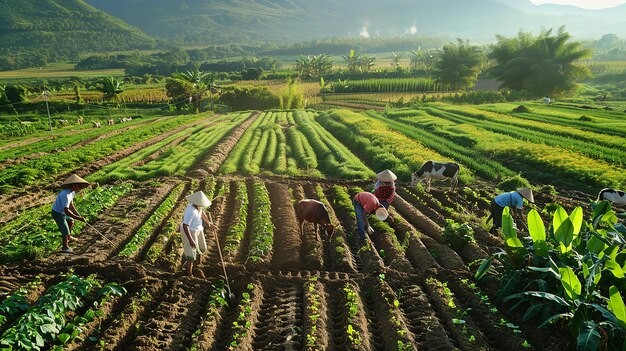
As Eswatini approaches 2030, the nation’s economy is projected to continue its path of diversification, with significant growth in both agricultural outputs and manufacturing sectors such as textiles and sugar processing.
According to a recent report by the African Development Bank, Eswatini’s GDP is expected to expand steadily, driven by an increasingly resilient agricultural sector and a robust manufacturing industry.
Currently, agriculture, forestry, and mining comprise about 13% of Eswatini’s GDP, while manufacturing, predominantly focused on textiles and sugar-related products, accounts for a significant 37%.
The government’s commitment to enhancing agricultural efficiency through modern techniques and sustainable practices is central to these projections.
Eswatini’s agricultural sector is poised for growth, focusing on increasing productivity and export potential,” states the report from the African Development Bank.
By 2030, experts predict that agriculture could rise to 15% of the GDP, fueled by the adoption of innovative technologies and an emphasis on sustainable farming practices.
RELATED: E1.6 million boost for Nhletjeni farmers as PM hands over agricultural equipment
Analysts suggest that the government’s investment in training programs for local farmers could yield substantial productivity increases, further supported by improved access to markets and financial services.
Meanwhile, the manufacturing sector is projected to maintain its significant contribution to the economy, potentially climbing to 40% of GDP by 2030.
The Eswatini Investment Promotion Authority’s latest report indicates that “textile production and sugar processing will remain the backbone of the manufacturing industry, driven by both local consumption and exports.
With the African Continental Free Trade Area (AfCFTA) coming into full effect, opportunities for enhanced trade partnerships with other African nations will likely spur further growth in these sectors.
The manufacturing industry is also anticipated to undergo transformations through the incorporation of digital technologies and automation, aligning with global trends.
“Incorporation of Industry 4.0 principles will not only enhance productivity but will also significantly elevate quality standards, making Eswatini more competitive in the global marketplace,” noted a statement from the Ministry of Commerce, Industry and Trade.
Additionally, growth in other sectors such as tourism and services is expected to diversify Eswatini’s economy further. The Ministry of Tourism foresees an increase in visitor numbers, projecting a rise of up to 20% by 2030.
This tourism boost will contribute to job creation and support local communities, adding to the economy’s resilience.
Moreover, experts emphasize the necessity for Eswatini to tackle challenges such as energy shortages and the impacts of climate change to ensure sustainable economic growth.
“Investment in renewable energy sources, particularly solar and wind, will be vital for maintaining consistent industrial output and supporting agricultural practices,” the African Development Bank’s report advises.
In conclusion, as Eswatini charts its economic course toward 2030, the focus on diversifying its economic base and strengthening manufacturing capabilities will be crucial.
Continued investment in technology, infrastructure, and human capital will position Eswatini favourably in the regional and global economy.
With proper strategies and support mechanisms in place, Eswatini could well emerge as a beacon of agricultural and manufacturing success in Southern Africa within the next decade.


