


 By
By 
By Delisa Magagula
The Government of Eswatini has set aside E140 million for the construction of 10 factory shells in the 2025/26 financial year as part of its strategy to boost industrialisation, attract investment, and create employment.
Each shell is expected to provide infrastructure for manufacturing businesses, with the government hoping the initiative will generate a turnover of over E1 billion and create 4,000 jobs annually.
This information is contained in widespread strategic plans by the government and Minister of Finance Neal Rijkenberg’s 2025 budget speech he delivered in February this year.
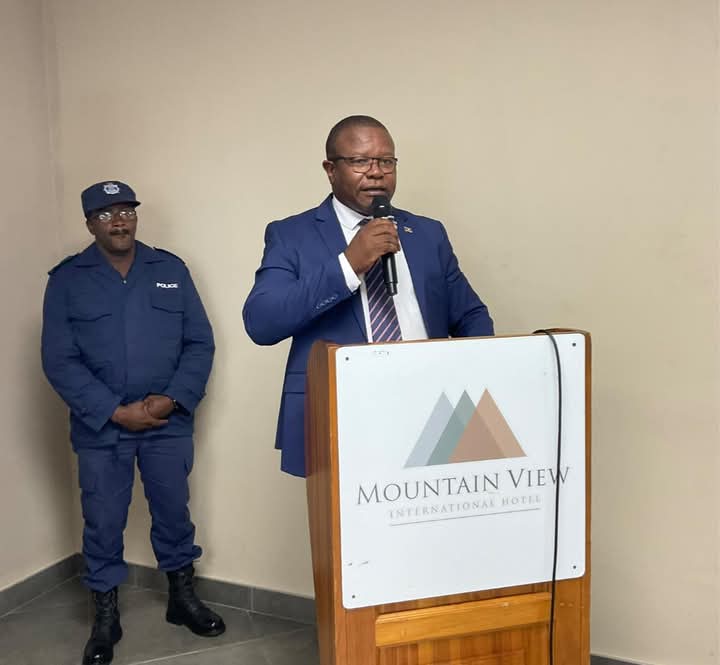
The Minister of Commerce, Industry and Trade, Manqoba Khumalo, said the programme is part of the country’s efforts to build a sustainable industrial base and stimulate economic activity in various regions.
“Yes, we are building factory shells. They provide a platform for investors to start manufacturing operations quickly without worrying about infrastructure. They help create jobs and improve livelihoods.” he said.
The factory shell initiative has been rolled out in phases since 2020, and the government says it has already seen encouraging results.
Existing shells have been constructed in areas like Nhlangano, Matsapha, and Ndzingeni, with new developments expected in Ngwenya, Piggs Peak, Gamula, and other rural areas.
RELATED: King blesses, hands over businesses worth over E160 mln
“These are not just buildings, they are fully serviced with water, electricity, and road access. They are attracting manufacturers who otherwise wouldn’t have set up in Eswatini.” he said.
The Minister said the shells were primarily being leased to investors in the textile and agro-processing industries, with companies expected to begin production shortly after taking occupancy.
The government estimates that each shell will cost an average of E14 million to build. With the allocated E140 million, officials believe they can reach the target of 10 new shells before the end of the financial year.
However, some economists have raised concerns about the return on investment and the long-term sustainability of the programme.
Economist and University of Cape Town lecturer Mkhosi Thwala said while factory shells are a useful tool for attracting investment, the current investment figures raise questions about efficiency and economic impact.
“We need more clarity on how this E140 million will directly translate into E1 billion in investment turnover,” he said.
He further mentioned that there was a significant gap between the input and the expected output.
Thwala said factory shells can be useful if they are backed by strong investor interest and proper sector targeting, but warned that if the buildings sit empty or are under-utilised, the cost to the public purse could be high.
“Without details on how many shells are currently occupied, what industries are active, and how many people are employed through them, it’s difficult to assess whether this is the best use of public funds,” he said.
He added that the government should publish an annual audit of all factory shell tenants, employment figures, and production outputs to justify continued expenditure.
According to the Ministry of Commerce, Industry and Trade, one of the most successful sites so far has been the Ndzevane factory shell in the Lubombo Region, which is occupied by Sigma Clothing.
The company has already begun hiring and is expected to employ up to 1,000 people in its first year of operation. Khumalo said the model has proven itself and is scalable.
“We have several other shells in the pipeline. Once completed, they will be made available to companies who have already shown interest. We are working closely with the Eswatini Investment Promotion Authority to ensure these shells don’t stand empty.” said Khumalo in an interview with Eswatini Television.
RELATED: From caviar to cardboard cutouts, businesses hope for a coronation boost
The Minister added that the initiative also benefits local communities.
“When we bring a factory shell to a rural area, we don’t just bring jobs. We bring roads, water, and electricity. That’s a broader upliftment. Local businesses also benefit because there’s an increase in economic activity.” said Khumalo.
However, Thwala said infrastructure development must go hand in hand with a clear industrial policy.
“Investors need more than a shell. They need access to finance, skilled labour, regulatory support, and a functioning supply chain. A building alone doesn’t guarantee productivity.” said Thwala.
He also highlighted the need to compare Eswatini’s strategy with similar initiatives in other countries in the region, such as industrial parks in Botswana and special economic zones in Rwanda.
“Governments across Africa are using similar tools, but outcomes vary. Some are successful, and others are struggling with low occupancy. The differentiator is usually governance, planning, and private sector engagement,” he said.
In response to these concerns, the Ministry said it was already taking steps to attract the right types of investors.
“We don’t just hand over the keys, there is a vetting process. We want companies that are serious about setting up, employing locals, and staying long-term.” he said
The government has projected that over the next five years, the factory shell programme will contribute significantly to GDP growth by boosting domestic manufacturing and reducing dependency on imports.
Khumalo said the programme is part of a larger industrial roadmap aimed at positioning Eswatini as a regional hub for light manufacturing.
“We have a vision; factory shells are a means to an end not the end itself. They are part of a strategy to diversify our economy and create sustainable jobs.” he said.
Thwala, however, maintains that the financial commitment should be matched with detailed economic impact assessments.
“Before we celebrate the billion-rand turnover projection, we need transparency and data. Show us how much is being produced, how many people are working, and what kind of returns we’re seeing,” he said.
For now, the government continues to push ahead with the construction of new shells. A total of four are currently under construction, with six more at the procurement and planning stages.


