


 By
By 
By Siphesihle Dlamini
Prime Minister Russell Dlamini has highlighted the significant potential of coffee cultivation to transform Eswatini’s economy, signalling a strategic shift toward expanding this agricultural sector.
Speaking about his recent visit to Ethiopia’s Jimma District, he emphasised the need to elevate coffee growing to a new level within the Kingdom. “It is time we take growing coffee to the next level in the Kingdom.
It’s proving to have the potential to transform our economy,” the Prime Minister stated, underscoring coffee’s emerging role as a key economic driver.
During his trip, accompanied by the Minister of Labour and Social Security, Hon. Phila Buthelezi, the Prime Minister engaged with Ethiopian officials, including the Minister of Agriculture and the Governor of the Oromia Region.
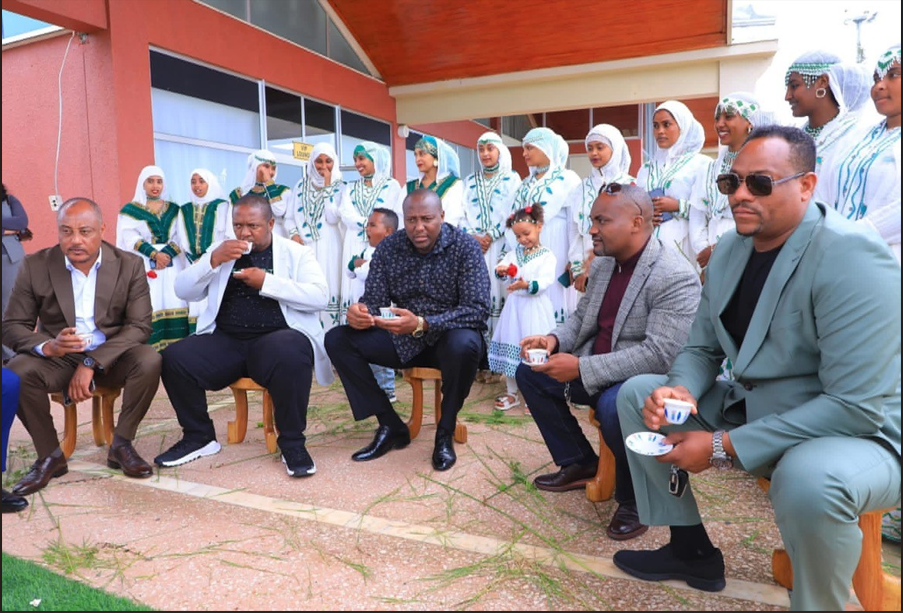
The delegation’s visit to Jimma, widely regarded as the birthplace of coffee, offered valuable insights into how coffee farming sustains local livelihoods, particularly among the youth.
Jimma’s agroforestry and integrated farming model stood out as a best practice for sustainable coffee production. The Prime Minister noted that the community’s coffee cultivation approach supports economic growth and promotes environmental stewardship.
Reflecting on the day-long visit, Prime Minister Dlamini shared, “We arrived just after 9 am and left at 5 pm. I drank about six cups of strong coffee and enjoyed every bit of it.” His personal experience with the local coffee culture highlighted the deep connection between the crop and the people of Jimma.
The Prime Minister’s observations suggest that Eswatini could replicate aspects of Jimma’s success by investing in coffee farming to diversify the agricultural sector and create new opportunities for employment and income generation. The involvement of young people in growing coffee, as seen in Jimma, presents a promising avenue for empowering younger generations in Eswatini’s rural communities.
By studying the Ethiopian model, the PM aims to develop strategies that will enable Eswatini to harness the full potential of coffee cultivation. The government’s focus on this sector aligns with broader efforts to strengthen the Kingdom’s economy through sustainable agriculture and value-added production.


