


 By
By 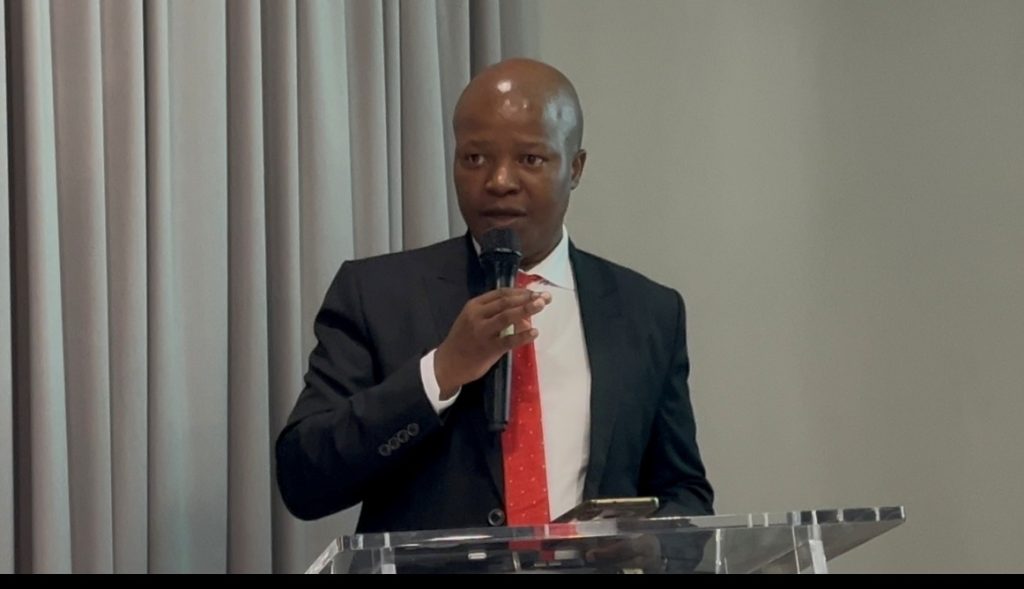
By Kwanele Dhladhla
In a bold move aimed at ensuring that the Kingdom derives maximum value from its sugar produce, ‘Eswatini Sugar’ has adopted an aggressive approach which will see the ‘Eswatini Gold’ being exported to the USA, the Middle East, Republic of China (Taiwan), Angola, Namibia and other SADC member states.
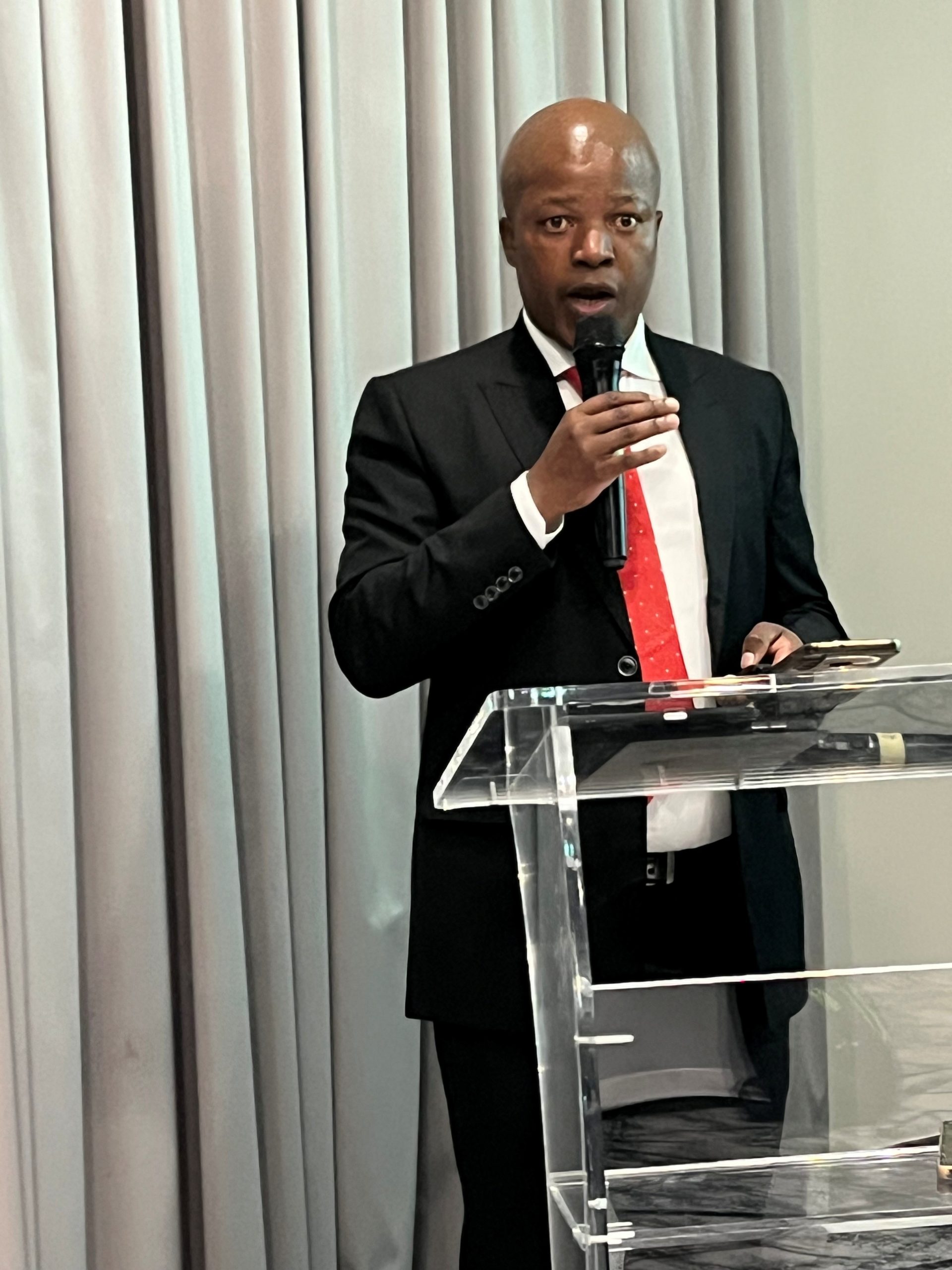
Eswatini Sugar Chief Executive Officer (CEO) Banele Nyamane disclosed that apart from the US market, which has already been secured to absorb 16,500 tonnes of sugar beginning from September 2025, they had also gotten a new market in Angola, which had been quite tough.
When asked to explain what the challenge had been and what role was played by the government had played in ensuring that Eswatini Sugar secures the Angolan market, Nyamane said the market in Angola has not been accessible mainly to Eswatini and some of the SADC members because they have been buying sugar mainly from Brazil.
“Fortunately, under the SADC agreements, Angola has agreed to provide certain safeguards for SADC members, which will allow us to sell sugar without paying a tariff when we get to Angola, and we are hoping that will increase our footprint in the African market.
RELATED: Eswatini drives sustainable Energy and Water agenda at SADC meeting
We are already supplying Namibia, so if you look at the Namibian map, we think it will be accessible for us because then the trucks can move from Namibia up to the part of Angola which is closer to Namibia,” Nyamane explained.
With regards to the lucrative US market, Nyamane explained that despite the imposition of 10 per cent tariffs on all imports from the Kingdom of Eswatini, they had successfully concluded a deal with a US customer because it hasmassive economic benefits.
“The agreement is already active, and we are ready to pay the due 10 per cent tariff because we still believe that despite paying the 10 per cent, we will still get better value from the United States of America market versus what we would have gotten in other markets,” Nyamane explained.
Eswatini Sugar recorded a slight increase in terms of revenue, which has gone up from E7.4 billion to E7.7 billion.
An ecstatic Nyamane boldly declared that the Eswatini Sugar Association had rebranded to Eswatini Sugar in the quest to stamp authority in both regional and global markets and mentioned that they were impressed with the financial results.
“We see that as a big achievement, based on the fact that we have achieved these revenues when the global sugar price has significantly decreased.
From that revenue, we have been able, after considering all our costs for operating, to end up with proceeds of E7.3 billion. This E7.3 billion will be shared by all the members in the industry, with 68.1 per cent going to sugar cane growers and 31.9 per cent going to sugar millers,” Nyamane said during the presentation of financial results for the 2024/2025 financial year at the Hilton Garden Inn on Thursday.
He pointed out that this was in line with the sugar industry agreement in terms of how the proceeds should be shared among members.
“Each member gets a share based on the volume of sugar cane that they have delivered,” Nyamane clarified.
In terms of projections post 2025 to ensure sustainability, he mentioned that there were significant challenges they faced, mainly because of the significant decline in the sugar price globally, which has come down from as high as 26 cents. He said it was currently sitting at 16 cents per pound.
“There is little we can do about the price, so as a strategy, what we are doing is that we are focusing more on sending sugar to the countries that we have partnerships with under various trade agreements, the likes of countries in the commercial region and those in SADC.
Our strategy is that we need to promote buying from each other as Africans and not to import from outside of Africa. So, we are hoping that that will go a long way to assist us in mitigating the significant increase in the global sugar price,” he said.
He pointed out that the other thing that they had done well as an industry locally was that over the years, they invested a lot to make sure that they reduce significantly the cost of production and that makes sure that they remain efficient to be able to withstand the current challenging times whereby the global price was at its lowest.
RELATED: GBV: SADC grappling with ending scourge
In the advent of the 10 per cent that has been imposed by the US government on all imports from Eswatini, he said, “We will have to survive by finding other markets what which markets are we eyeing apart from Angola and the deal that we have clinched with the US. We have sent trial shipments to some countries in the Middle East.
We have also sent a trial shipment to Taiwan just to see whether we can get partners with whom you can work. We are also expanding our footprint in Africa by working with other partners that have more experience in those markets that we are currently not accessing in Africa.”
The CEO emphasised that the bold step to rebrand Eswatini Sugar Association to Eswatini Sugar forms part of the core strategies to counter the rigorous campaign in South Africa, particularly to push out sugar from Eswatini, considered very rich.
Nyamane explained they have also put in place a plan to counter the ongoing campaign in South Africa, considering that the republic remains one of the key markets for Eswatini, as the major trading partner.
“Our position as Eswatini Sugar, which is supported by the Government of Eswatini through the Ministry of Commerce, Industry and Trade, is that the Southern African Customs Union (SACU) is a free market for all members, which includes Eswatini. So, we will continue to supply that market,” said Nyamane.
He explained that what the South Africans were doing was more often encouraging their consumers to buy sugar products produced in their country.
“How we intend to counter that or how we have countered that in the past is because of the quality of the product that we provide and the efficiency and the quality of service.
So, we are confident that we will still be able to maintain those volumes based on the unique services that we offer to all our clients,” Nyamane emphasised.
In terms of what was the strategy towards protecting the SACU market from penetration by sugar from top global sugar producers such as Brazil and others, Nyamane explained that in the SACU market, there were two producers of sugar, which were Eswatini and South Africa.
“It is in our interest, or the interest of both the Government of Eswatini and that of South Africa, to make sure that these industries remain protected. The sugar imported is unfairly subsidised, so that gives us unfair competition as Eswatini and South Africans,” said Nyamane.
He added, “So, what we are looking for is that SACU must put up an import tariff that will make sure that the sugar, when it gets into the SACU region, it does not make us uncompetitive.
We are hopeful that in the next two months, the institution, which is the International Trade Administration Commission (ITAC), that has the responsibility of determining the fair tariff, will have completed its task and determined what the correct tariff is that needs to be applied.”


