



 By
By 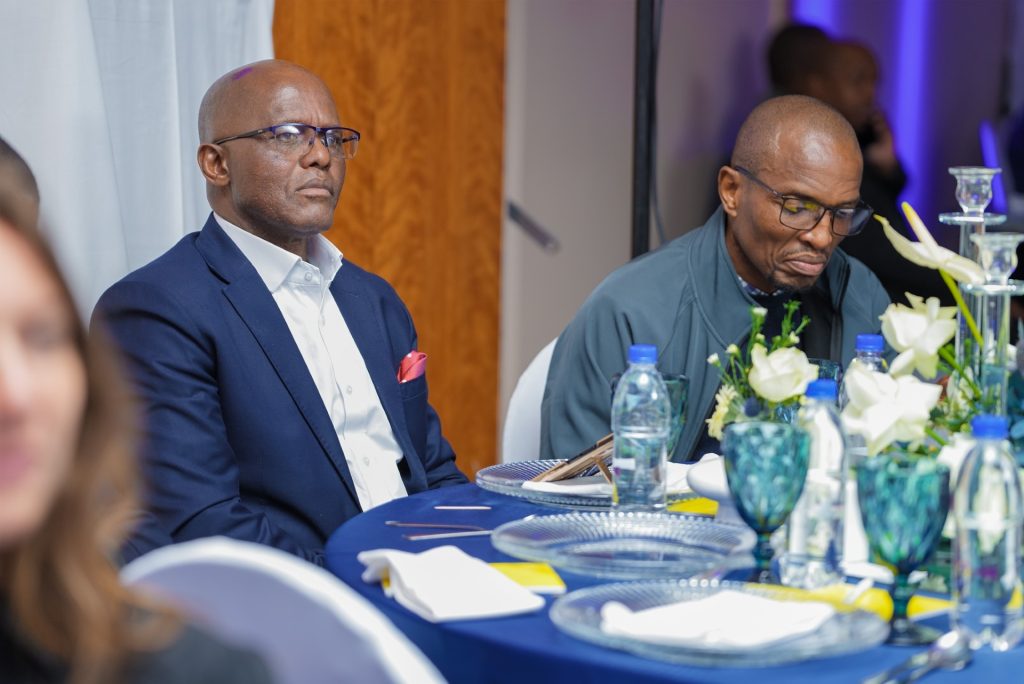
By Kwanele Dhladhla
Eswatini stands at the threshold of a historic shift—one that could end decades of reliance on imported electricity and chart a bold course toward energy sovereignty.
At the 2025 Standard Bank Energy Indaba held at the Royal Villas in Ezulwini, government, financiers, regulators, private developers and business leaders came together with a unified call: Eswatini must take charge of its energy future—now.
With over 150 high-level delegates in attendance, including cabinet ministers, energy executives, and financiers, the Energy Indaba provided more than just a platform for dialogue—it was a call to action.
Hosted by Standard Bank Eswatini under the theme “Championing Energy Security in Eswatini”, the event underscored the urgency of addressing the Kingdom’s energy vulnerabilities and accelerating the shift toward local, sustainable power generation.
Government Declares Energy Sovereignty a National Imperative
Delivering remarks on behalf of the Minister of Natural Resources and Energy, Prince Lonkhokhela, Acting Minister Dr Tambo Gina painted a stark picture of the country’s dependency on imports.
RELATED: South Africa battles to fund vital grid upgrade for green energy
Over 80% of Eswatini’s electricity is imported—mostly from South Africa—a country itself struggling with a prolonged energy crisis that has cost it over R360 billion in lost GDP and close to one million jobs, according to economists.
“This is a pivotal moment for our nation,” said Dr Gina. “Our dependence on imported energy is not just a technical issue—it is an economic threat. Rising energy prices and regional instability are placing significant pressure on our growth prospects. The solution lies in a bold and decisive shift toward a sustainable energy future.”
Dr Gina commended Standard Bank and the Eswatini Electricity Company (EEC) for successfully convening the Indaba and for their leadership in developing critical energy projects.
He singled out the 13.5MW Lower Maguduza Hydro Power Project—the first to reach financial close through a project finance structure in Eswatini—as a landmark initiative.
“Our collective vision is a nation powered by clean, secure, and domestically produced energy—leading the way for innovation, job creation, and a thriving green economy,” he said.
Finance Ministry: Creating an Investible Environment
Also addressing the Indaba was Acting Minister of Finance, Hon. Apollo Maphalala, who highlighted the Government’s firm stance on energy as a catalyst for inclusive economic development and fiscal resilience.
He acknowledged the strides already made—including over 80% national electricity access, up from just 30% in the early 2000s—but warned that without energy diversification, the gains are fragile. “A just and inclusive energy transition will not be achieved by Government alone.
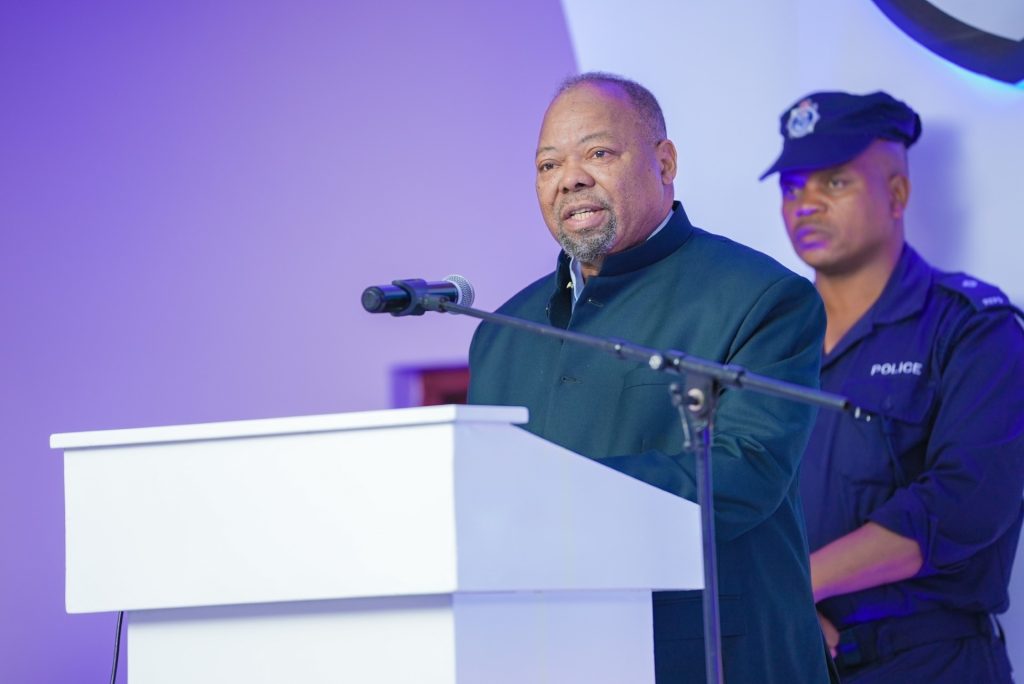
It requires strong partnerships with the private sector—especially the financial sector,” he said.
The Ministry, he revealed, is actively considering sovereign guarantees, green finance incentives, and other de-risking tools to attract more private capital into energy infrastructure
. “We need financiers who move from being passive lenders to long-term strategic partners. This is what will unlock the energy pipeline, from policy to project.”
Business Eswatini: Time for Urgency and Action
Business Eswatini CEO, Mr E. Nathi Dlamini, brought the private sector’s perspective into sharp focus. “Eswatini can no longer afford to take a passive approach in the face of rising electricity costs and mounting supply constraints,” he said. “This Energy Indaba is not just timely—it is critically urgent.”
He described the moment as an inflection point, where rising demand, infrastructure challenges, and regulatory delays must be met with coordinated and decisive action.
“We are duty-bound to meet these challenges head-on if we are serious about writing our own narrative on energy security and supply,” he said.
Mr Dlamini lauded Standard Bank’s role in convening the forum and pushing the conversation forward.
RELATED: Eswatini drives sustainable Energy and Water agenda at SADC meeting
“This is exactly the kind of bold, solutions-oriented engagement we need at this time.”
EEC and ESERA: Fast-Tracking Energy Diversification
The recently signed 10-year Power Purchase Agreement (PPA) between EEC and Eskom was another major topic at the Indaba. While it brings short-term supply stability, it has also amplified calls for diversification.
“We have security of supply for the next 10 years, but the message is clear: we must reduce our over-reliance on imported electricity,” said Ms Tenele Habangaan, System Control Engineer at EEC.
She explained that the new Eskom agreement introduces performance-based pricing and removes historical peak/off-peak tariff distinctions, forcing EEC to rethink its generation strategies.
EEC Managing Director Mr Ernest Mkhonta echoed the sentiment: “Affordable energy remains our goal, but we must now push harder toward developing local generation capacity and integrating renewables.”
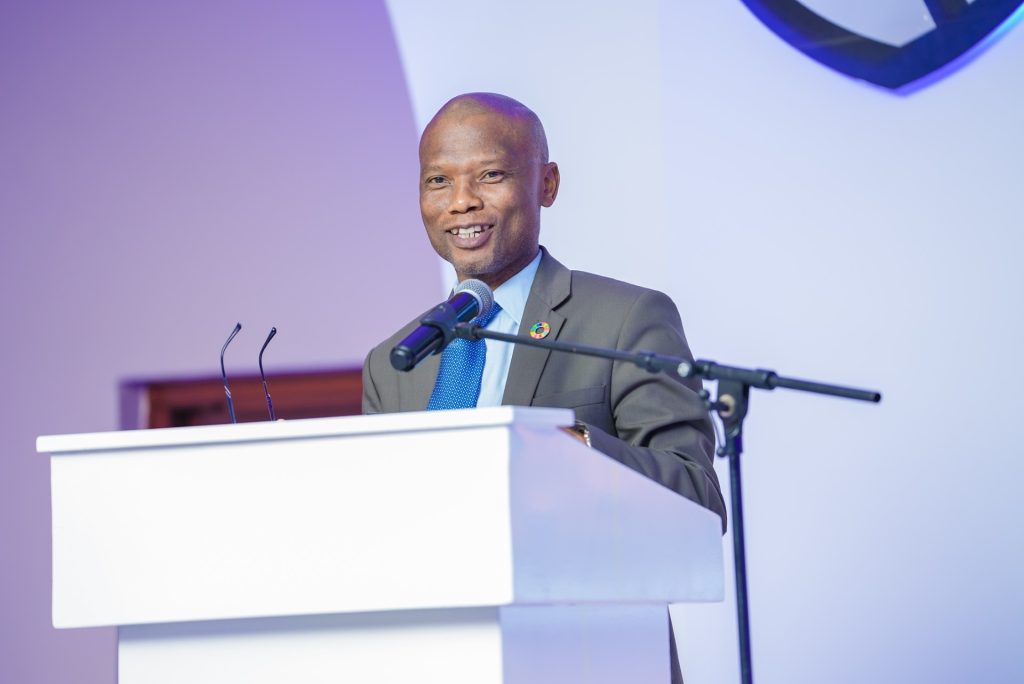
Regulator ESERA is also rising to the challenge. Engineering Manager Mr Ntokozo Dlamini revealed a growing procurement pipeline of:
75 MW of solar
40 MW of biomass
90 MW of biomass co-generation
These projects are expected to come online between 2026 and 2028 and will tap into Eswatini’s underutilised biomass potential from the sugar and forestry industries.
ESERA is also introducing enabling frameworks such as the Wheeling Framework and Contestable Customer Guidelines to attract Independent Power Producers (IPPs) and large-scale investors.
Standard Bank: From Finance to Transformation
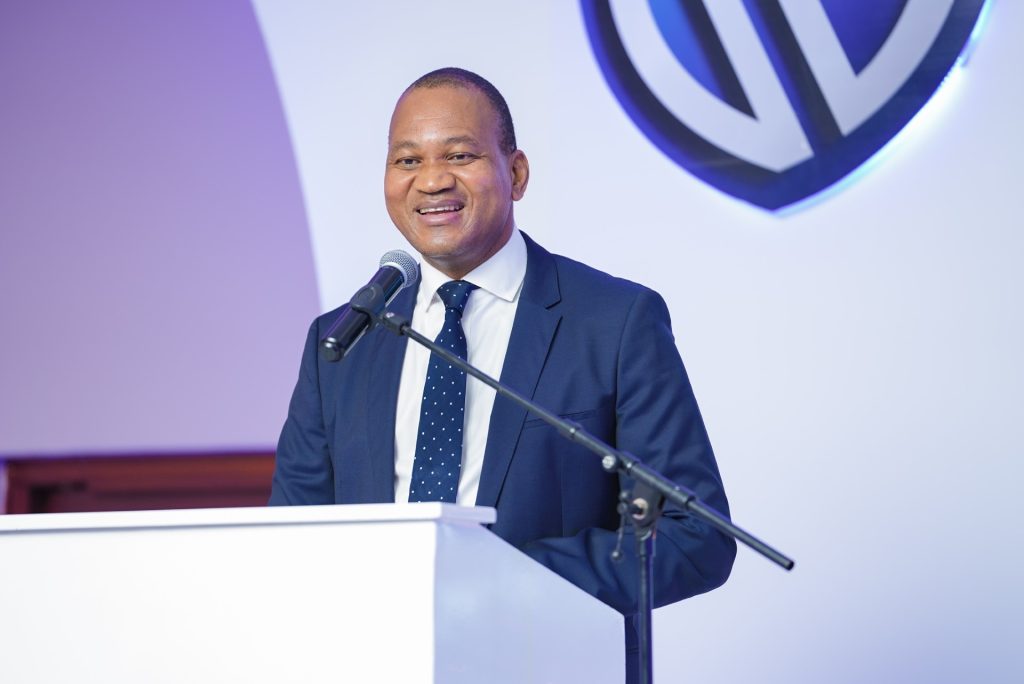
Standard Bank Eswatini CEO Mr Mvuselelo Fakudze captured the tone of the Indaba best: “We meet at this Energy Indaba to answer one critical question: How soon can we reach financial close on the energy projects on the table?”
With a track record of over 10,000 MW financed across the continent, Standard Bank is applying its regional expertise and capital to catalyse Eswatini’s transition.
The Lower Maguduza Hydropower Project, funded through a E567 million joint facility with the Public Service Pension Fund, is just the beginning.
“We are committed to delivering innovative, future-ready financial solutions for the energy sector,” said Ms Lomkhosi Alabi, Head of Transactional Banking and Client Coverage.
“Our teams are working closely with government and private sector players to deliver viable financing models—tailored for local conditions and in local currency.”
Vice President of Energy and Infrastructure, Ms Keshri Bapoo, described the hydro project as a landmark.
“Two years ago, project finance wasn’t even a proven concept here. Now we’re seeing real movement across solar, biomass, and wind. We’re proud to be the lead bank of choice.”
Developers and Tech Experts: The Market is Ready
Developers also had their moment. Ms Candice Meyer, Project Manager at InnoVent, shared her company’s plans to build a 10MW solar farm in Eswatini’s North-East.
“The Indaba helped us understand the regulatory environment and align with the right financing partners. We hope to reach financial close by year-end.”
Ms Vincenzia Leitich, Executive Vice President of Power and Infrastructure at Standard Bank, introduced the next frontier: battery energy storage.
“Battery costs are falling rapidly, and storage is becoming essential for grid stability and renewable integration. We’re engaging with IPPs and government on financing models to support these technologies.”
From Talk to Transaction
The 2025 Energy Indaba was more than a conference—it was a national call to action. Across the board, speakers agreed that Eswatini has the tools, the partners, and the policy frameworks to build a sovereign, sustainable energy future.
But execution is now key.
With Standard Bank stepping up as both financier and thought partner, and government laying the policy groundwork, the momentum is real. Eswatini’s energy transformation is no longer a vision. It is underway.
The time for bold, collective action is here. And the message from Ezulwini is clear: Let’s move from talk to transaction, from risk to results.


