


 By
By 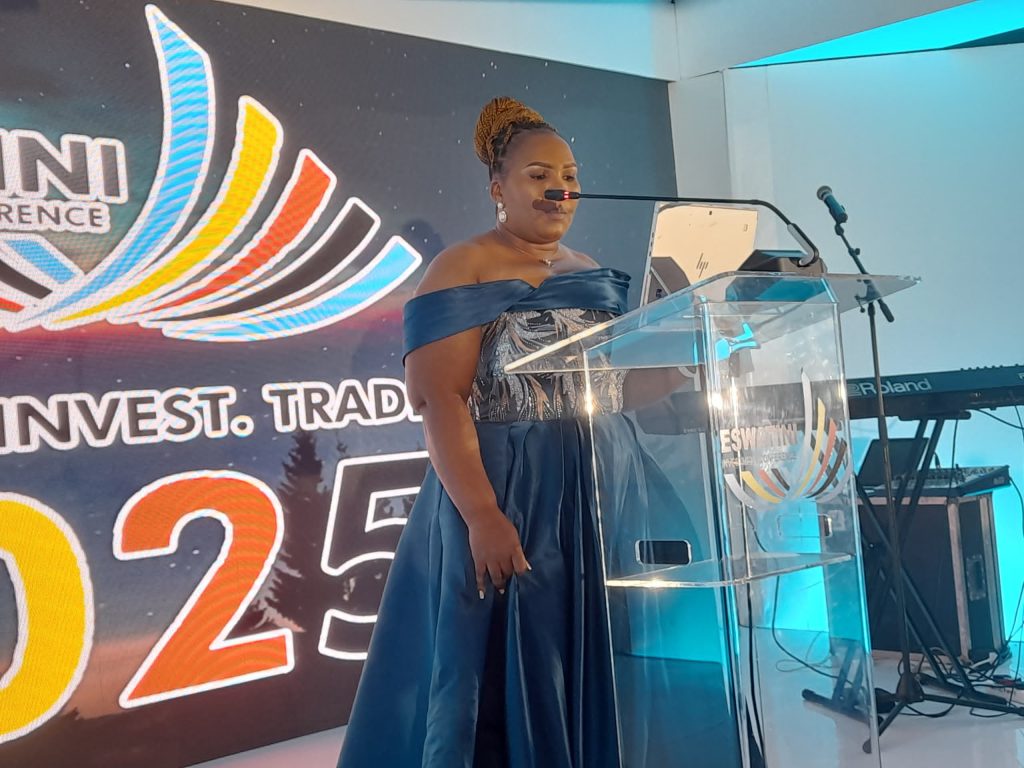
By Delisa Magagula
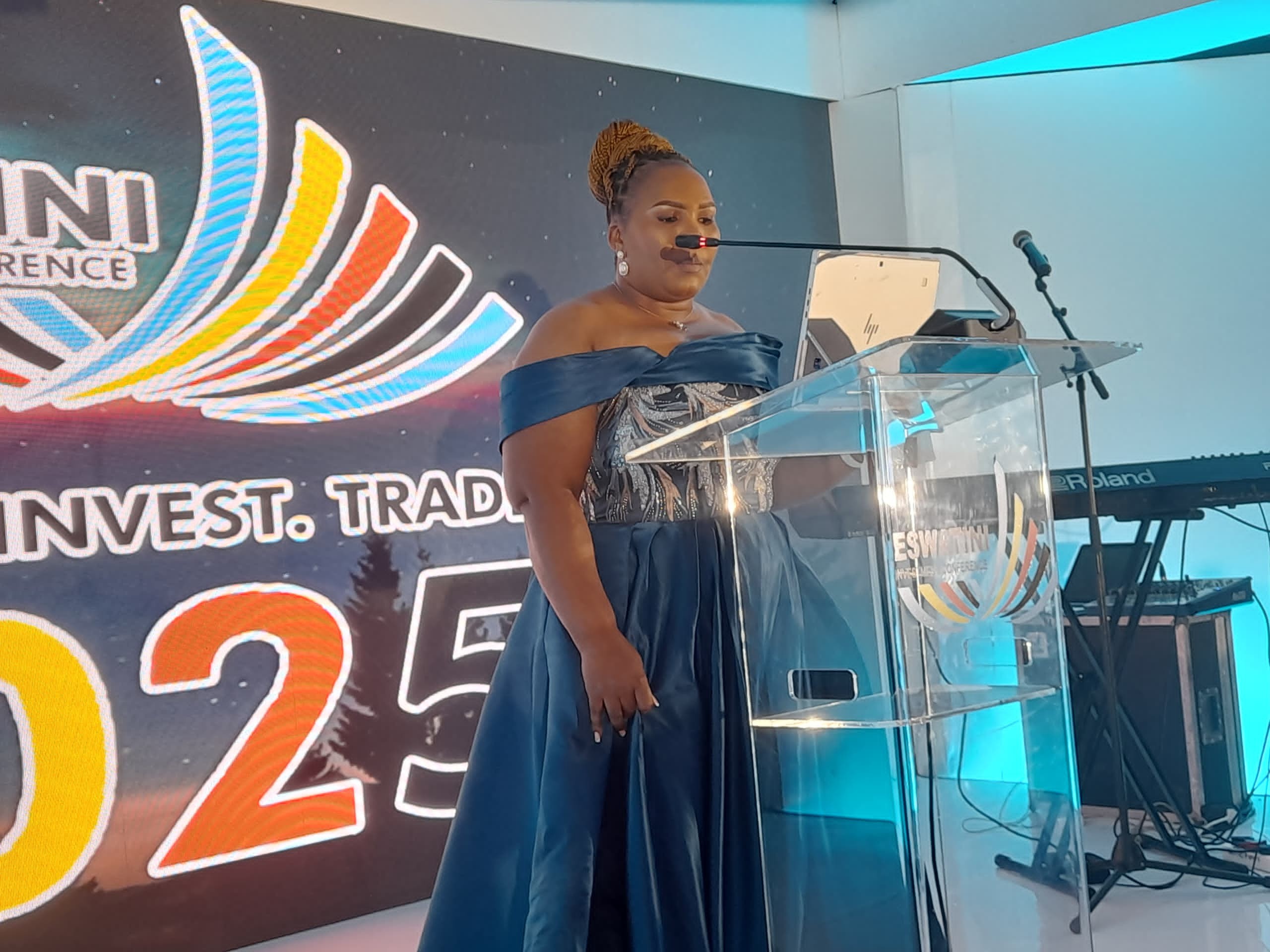
Addressing the Eswatini Investment Conference, Maloma Colliery CEO Jabu Shabangu began by stating that it was a profound honour to be present and to discuss the vital topic of women driving the economy, a matter she felt was both deeply personal and of critical national importance.
She reported to the conference attendees that at this pivotal moment for Eswatini’s development, their path was illuminated by the bold vision of His Majesty King Mswati III, who had called on everyone to actively participate in transforming Eswatini into a first-world nation.
She emphasized that His Majesty’s vision encompassed not only economic and infrastructural growth but, crucially, the empowerment of people, especially women in leadership roles.
Shabangu informed the conference that Eswatini’s Parliament was among the few globally headed by a female Senate President, alongside numerous female parliamentarians actively shaping their legislative agenda. She also proudly mentioned the female leadership within the current Cabinet, including the Deputy Prime Minister and the Ministers of Foreign Affairs, Home Affairs, ICT, and Tourism, all formidable women steering critical national portfolios.
RELATED: Maloma Colliery donates E100 000 worth of desks, chairs to Nkonjwa Primary
She further stated at the Investment Conference that this national commitment to gender-balanced leadership extended into the corporate sphere
“Powerful female executives are leading institutions like Nedbank and Eswatini Bank. These women are not just succeeding but shifting paradigms,” she said.
Shabangu then took the opportunity at the conference to acknowledge the Inyatsi Group Executive Chairman for his unwavering support in creating platforms for women to lead and thrive across their various companies.
She proudly announced to the audience that the group boasted a turnover of nearly USD 1 Billion.
“Remarkably, half of these businesses are led by woman Managing Directors, including a female Group CFO.” She said emphasizing that his commitment to inclusive leadership continued to transform lives and elevate excellence throughout their operations.
Reflecting on global trends for the conference attendees, Shabangu observed a significant transformation where women are no longer waiting to be invited into economic spaces. We are building them, leading them, and redefining them.
She cited studies indicating that closing gender gaps could contribute over $12 trillion to global GDP, underscoring that this was not merely a gender issue it is an economic imperative.
Turning her attention to Africa during her address at the Eswatini Investment Conference, she pointed out that women constituted over 60 percent of the informal sector and powered over 70 percent of cross-border trade.
However, she lamented that they disproportionately lacked access to land, finance, and leadership platforms. She stressed that it is time to shift from participation to power, and from marginalisation to mainstreaming.
Shabangu affirmed to the conference that Inyatsi Group’s alignment with this national and continental agenda, stating that across all their companies, they were rooted.
“We are embedding inclusivity in our workforce, and leadership structures.” She explained stating that their work was rooted in core values: accountability, commitment, teamwork, agility, and embracing change.
The CEO highlighted to attendees that within Inyatsi Group, women are not only present in operations they are pioneering them, in fields ranging from engineering to healthcare. She also mentioned their community development programs, deliberately focused on empowering women-led enterprises.
RELATED: Maloma Colliery: Building Prosperous Communities Supplement
“Business can uplift as much as it builds this is not just about fairness. It is about building the kind of nation His Majesty envisions a resilient, sustainable, inclusive Eswatini.” She powerfully stated.
concluding her remarks Shabangu urged everyone in government, business, and civil society to move beyond symbolic gestures and commit to developing gender-responsive policies, financing female entrepreneurs with equal urgency, and positioning women not just at the decision-making table, but at its head.
She concluded emphatically: “When women lead, economies transform. When women are empowered, our future becomes stronger, more just, and more sustainable,”


