


 By
By 
A New Dawn for the Energy Sector:
PULSE OF THE WEEK
…With Siphesihle Dlamini
We live in an era where global energy instability and economic uncertainties have left many developing nations scrambling for footing. Eswatini has taken a bold and defining leap forward. With Parliament’s near-unanimous endorsement of the E5.2 billion Strategic Oil Reserve Facility, the Kingdom signals its readiness not only to protect its energy sovereignty but also to reshape the socio-economic fabric of the nation.
What was once a concept discussed behind government doors has now become a symbol of hope, opportunity, and empowerment, especially for rural communities like Siphofaneni, where the facility will be constructed.
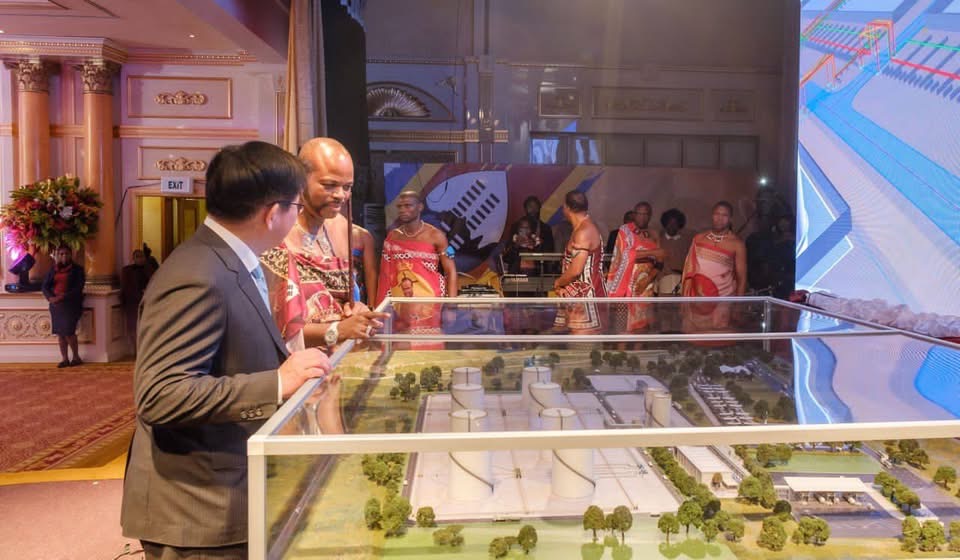
Unveiled by His Majesty King Mswati III in partnership with the Government of Taiwan on April 24, 2025, this landmark project is not simply an infrastructure undertaking, it is a materialising vision.
The Kingdom of Eswatini has suffered periodic shocks historically with the supply of petroleum products. Although the impact of such occurrences, specifically on pricing have been cushioned by the Strategic Oil Fund, the industry remains vulnerable to systematic risks including supply chain disruptions and country risks as relates to South Africa and Mozambique where all imports are sourced.
RELATED: ENPC justifies E5.2 bln Strategic Oil Reserve cost
As part of efforts to cushion the economy from the shocks of supply disruptions, the Eswatini National Petroleum Company (ENPC) was established with the mandate of developing a fuel storage facility to store up to sixty (60) days of national requirement.
In delivering on its mandate, ENPC is seeking to develop an 80 million-litre petroleum storage facility in Phuzamoya, Eswatini and a 4 million-litre ethanol storage and blending facility. The project aims to enhance national energy security and ensure fuel security of supply during emergencies and market disruptions.
At its core, the Strategic Oil Reserve will serve as a national safety net, insulating Eswatini from unpredictable global oil supply shocks. In recent years, the world has watched fuel prices soar due to geopolitical tensions, pandemics, and disruptions in the supply chain.
For a landlocked country like Eswatini, such volatility translates into higher food prices, disrupted transport systems, and weakened productivity.
With a national oil reserve in place, the Kingdom will be able to stabilize supply during emergencies, maintain transport for essential services, and keep the economy running in times of crisis. This isn’t about storing oil, it’s about securing the future.
The Lubombo region, long overshadowed by urban economic centres, will now host the nation’s most significant energy infrastructure project. This development positions Siphofaneni as a strategic economic hub, drawing government attention, private sector investment, and service industry expansion.
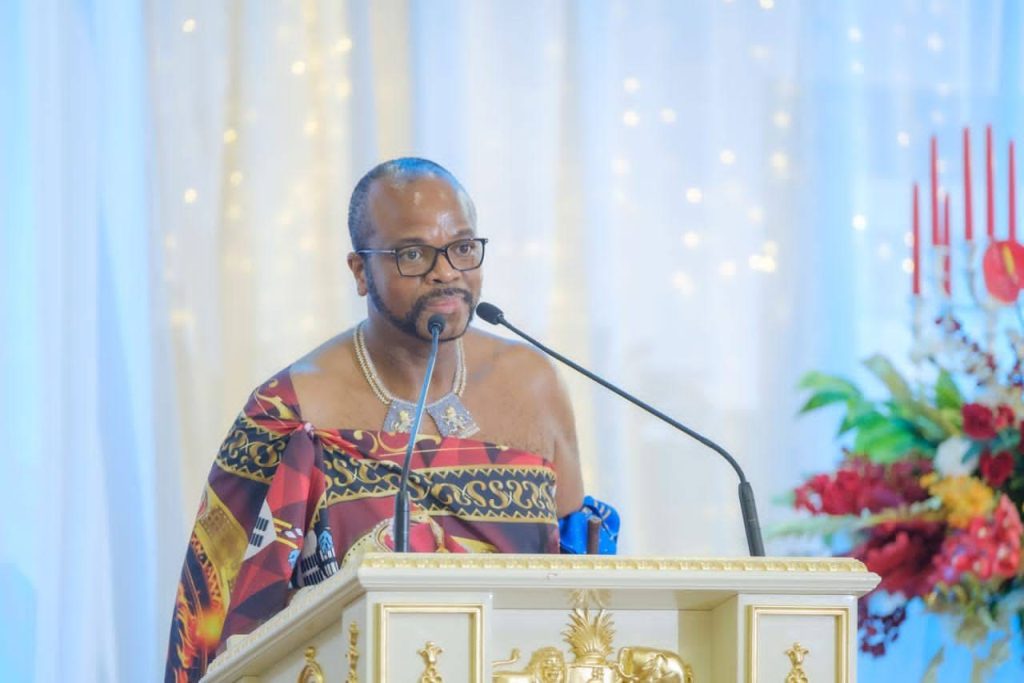
During a Parliamentary session, Minister of ICT, Savannah Maziya, passionately championed quality job creation, noting that this facility must not only employ locals but offer meaningful, well-paying, and long-term jobs.
She specifically highlighted the critical inclusion of women, a progressive stance that aligns with global development models where gender inclusivity accelerates poverty reduction.
“We must ensure that people get good-paying jobs. Women should also be employed at the Strategic Oil Reserve,” Maziya stated. The impact? A young woman from Siphofaneni could find herself working as an engineer, technician, or administrator, roles once unimaginable in her community.
Deputy Prime Minister Thulisile Dladla praised Parliament’s unity, highlighting that this kind of strategic project signals to investors— domestic and international alike, that Eswatini is a country prepared for long-term growth.
Infrastructure like the oil reserve demonstrates political will, fiscal discipline, and future-forward thinking. For companies seeking reliable environments in southern Africa, Eswatini’s emerging energy resilience makes it more attractive.
The economic multipliers are vast. Logistics companies may establish bases near the reserve. Agricultural exporters will benefit from stable fuel supplies for irrigation and transport. Training institutions may partner to certify a skilled labour force, embedding industrial knowledge within communities.
MP Marwick Khumalo, who introduced the motion in parliament, made a compelling point: “EmaSwati are badly salaried, and we hope that in this project they will be remunerated properly.” In a nation grappling with wage disparities and rising living costs, ensuring fair pay for local workers is non-negotiable.
If this project is to be remembered as transformative, its benefits must be tangible in people’s bank accounts, not just government reports.
The emphasis on equitable pay and the need to curb fuel smuggling were also spotlighted. A central oil reserve, tightly regulated, could help choke off illegal fuel activities, preserving revenue for the nation and ensuring fuel standards.
MP Prince Lindani commended His Majesty for fostering international relations, a reminder that collaboration is key to progress. Meanwhile, MP Prince Mshengu’s caution about corruption was not misplaced.
A project of this magnitude must be shielded from greed, inefficiency, and political interference. Transparency must be the oxygen this facility breathes, through independent audits, real-time tracking systems, and citizen oversight mechanisms.
RELATED: MPs give thumbs up to E5.2 Bln Strategic Oil Reserve
Deputy Speaker Madala Mhlanga underscored this, reminding MPs that communication and accountability are essential: “We must support the Cabinet. This is a massive loan, and we would be disappointed tomorrow to learn of any scandals.” MP Sicelo Khungankosi Dlamini raised an often-overlooked issue:
ompensation for those affected by the facility’s construction. Whether it’s landowners, farmers, or tenants, everyone must be treated with dignity and offered fair compensation or relocation support.
Residents of Siphofaneni are rightfully hopeful, as expressed by MP Nomalungelo Simelane. The concerns regarding the Eswatini National Petroleum Company’s handling of funds highlight the need for diligence and oversight.
Benchmarking and accountability measures are essential to ensure that this project is executed with the utmost reliability and efficiency. The assurance of sound management will be crucial in realizing the full potential of the Strategic Oil Reserve Facility.
The E5.2 billion Strategic Oil Reserve Facility is more than an energy reserve. It is a manifestation of a new national ethos, one built on resilience, equity, inclusivity, and vision.
If executed with integrity, this project will not only light the lamps of Siphofaneni but ignite an entire generation’s belief in the possibility of transformation.
Let this be a blueprint for development, where every citizen counts, where rural communities rise, and where the Kingdom of Eswatini stands tall not just in capacity, but in character. We are not just storing oil. We are storing hope, opportunity, and national dignity. And that, in every sense of the word, is a game-changer.


